
VST
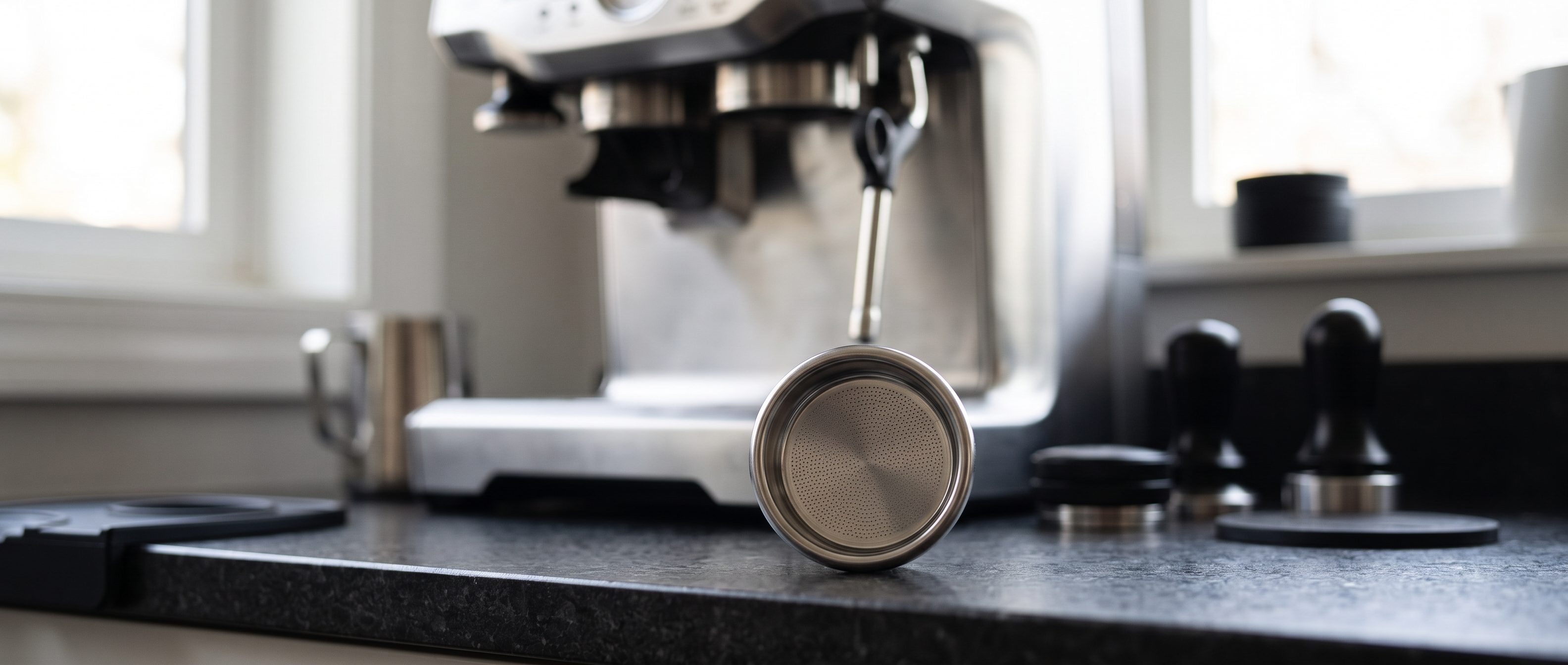
VST and the path toward measurable espresso
VST was founded in 1988 as a technology and consulting company with roots in electrical engineering, embedded systems, and advanced materials. With that background, the company brought an unusually rigorous approach to precision into the world of coffee. Rather than relying on instinct and repeated guesswork, VST developed tools that made it possible to measure, calibrate, and replicate extraction with greater confidence.
What has made VST particularly significant for espresso is how it brings scientific control into practice. Through innovations such as the coffee refractometer and precision-manufactured filter baskets, it has helped baristas and roasters work more consistently, with better insight into flow, strength, and extraction. In this collection, you will find VST filter baskets for more predictable brewing, easier dial-in, and a clearer connection between dose, recipe, and results in the cup.
Overview of the designs
Here, the choice is less about “better or worse” and more about which workflow and machine you want to adapt to. The differences in the range are mainly seen in capacity, rim design, and how you want to work day to day.
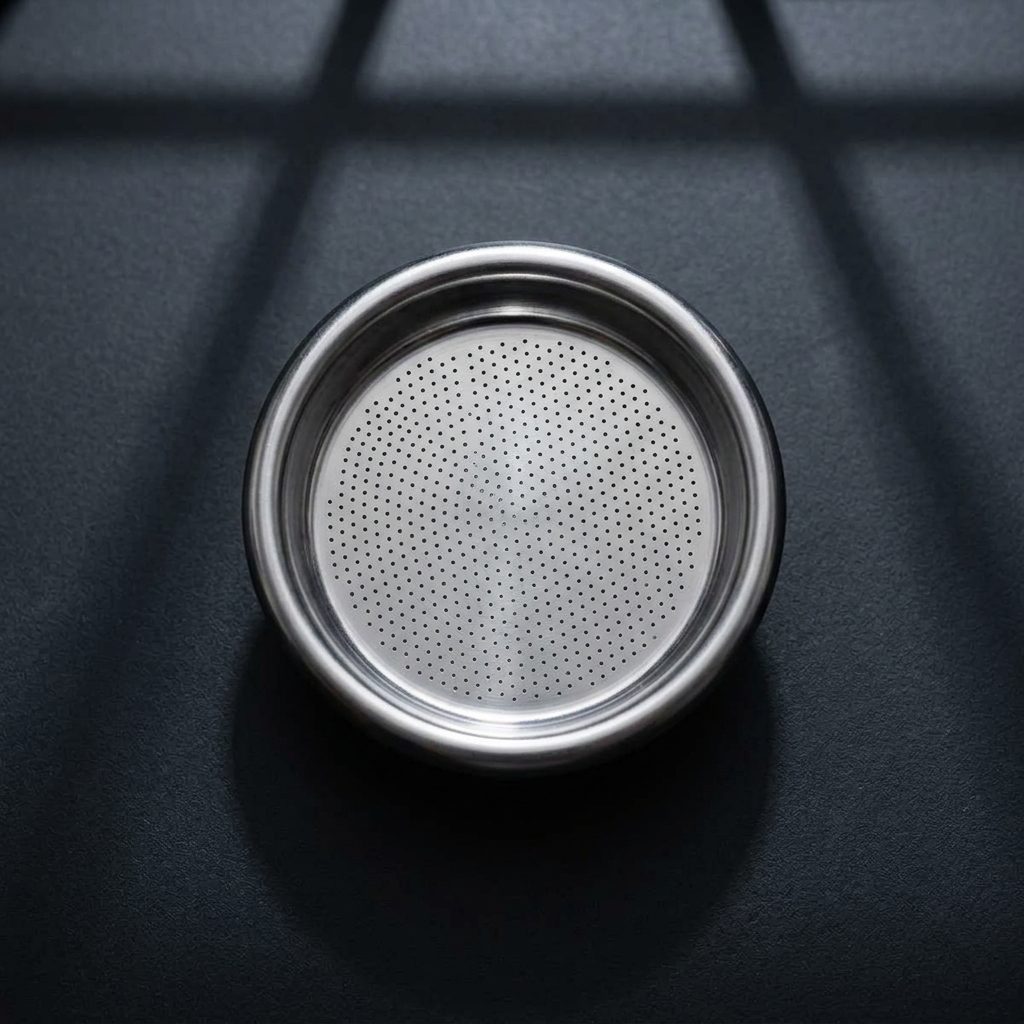
Different dose ranges
Adapt to the recipe
Choose the Size based on how much coffee you actually brew. The right capacity makes puck preparation easier and provides better conditions for stable extraction.
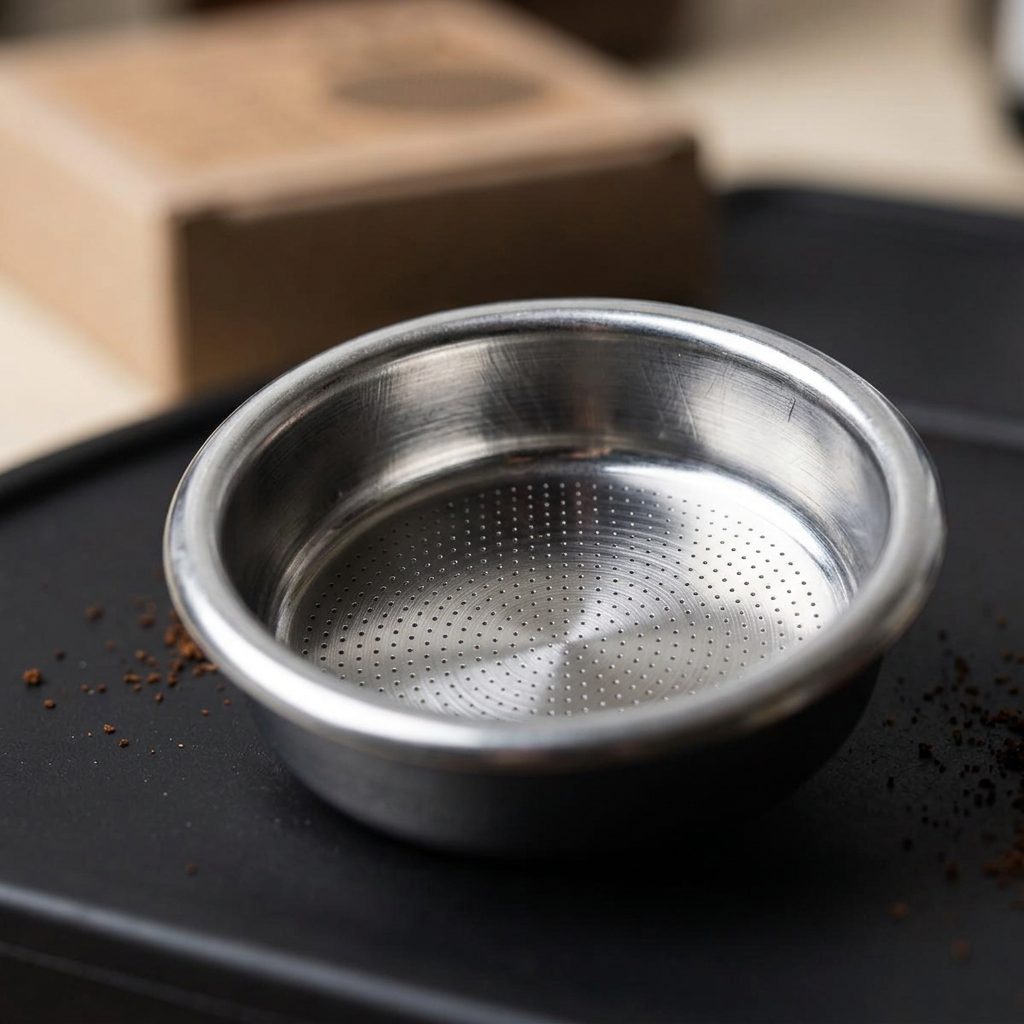
Ridged or ridgeless
Two ways to fit
Ridged is ideal if you want a more classic design, while ridgeless is often appreciated by those who prioritize easy handling and a cleaner workflow.
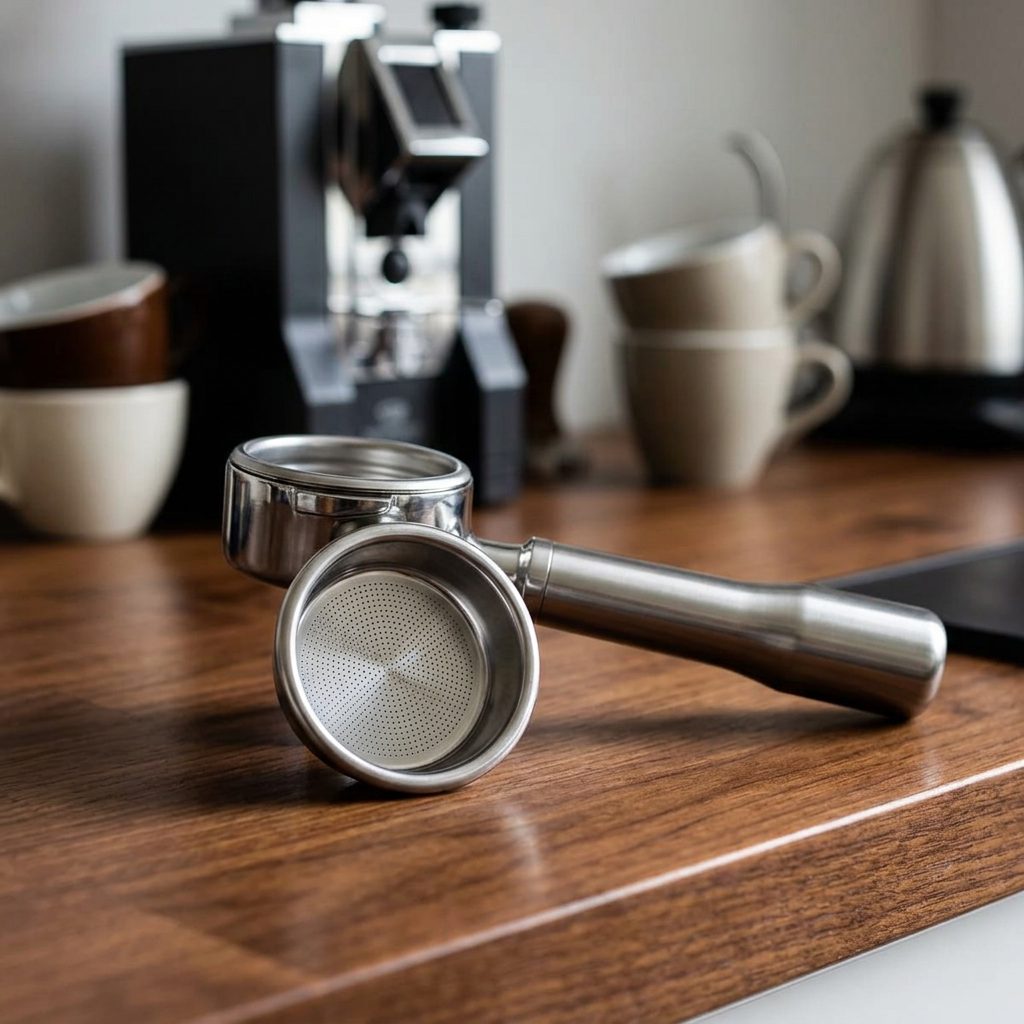
For more consistent shots
Focus on consistency
What defines the range is the pursuit of repeatable results. If you carefully adjust your grinder, dose, and time, the filter basket becomes an important part of the whole setup.
Three things to consider
Start with how you brew in practice. That makes it easier to choose correctly right away instead of getting caught up in small differences that matter less in everyday use.
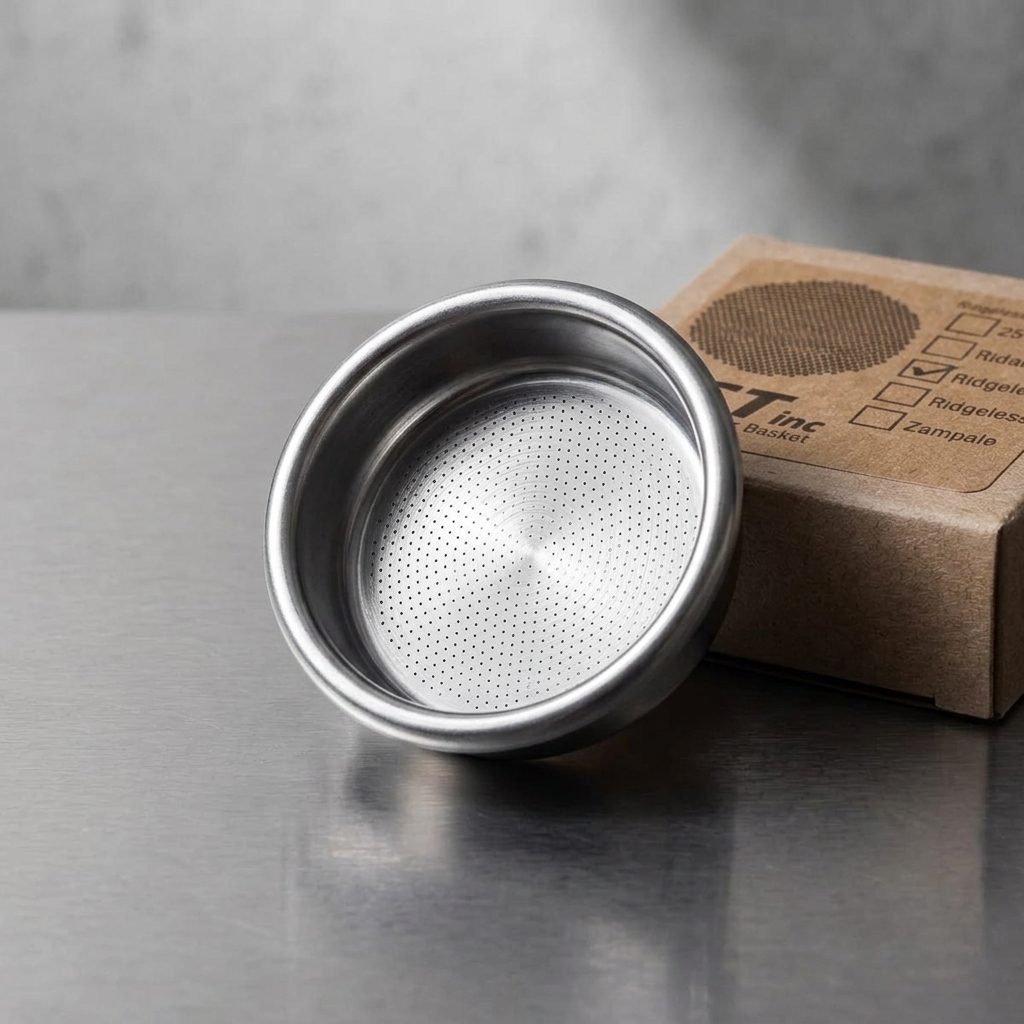
Your usual coffee dose
Size first
If you usually brew smaller or larger recipes, the basket should match that range. A well-balanced Size gives you more working room than trying to use the same basket for everything.
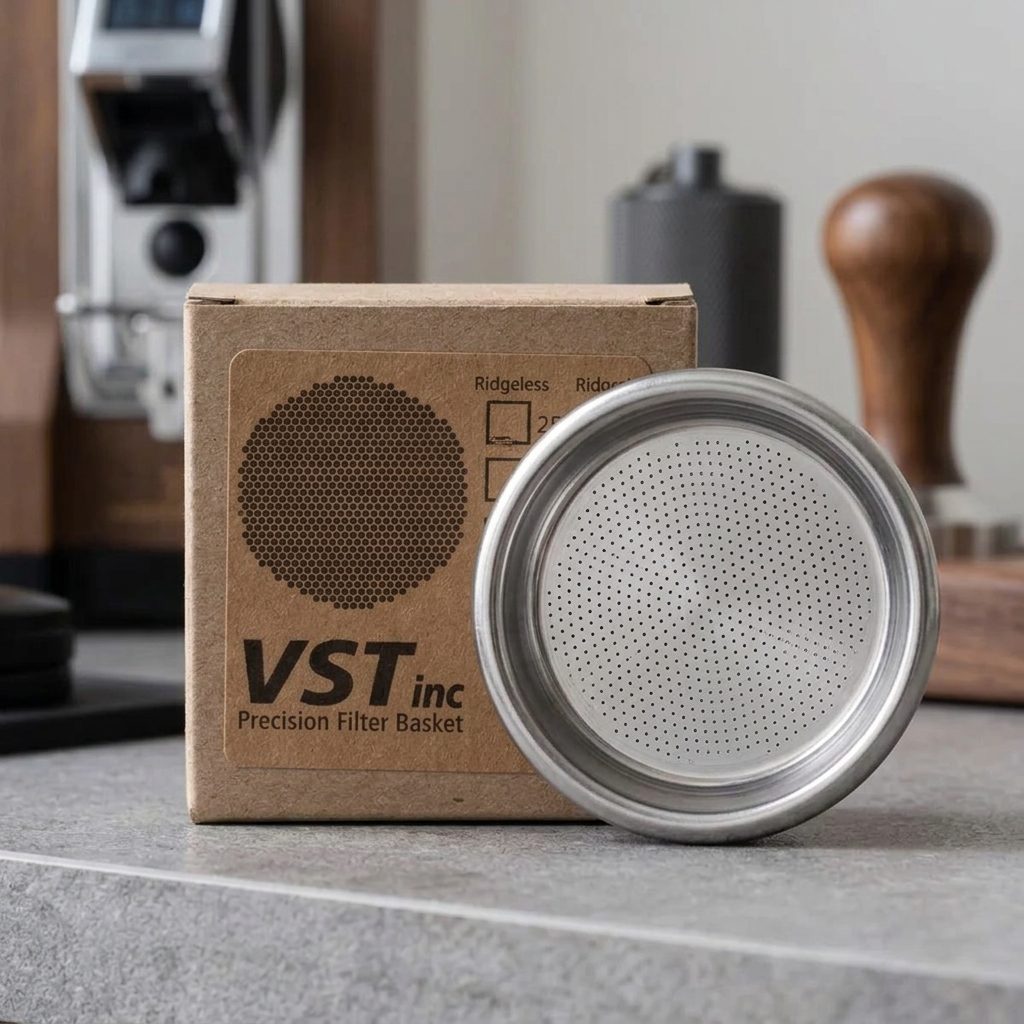
Fit in the Portafilter
Check compatibility
Make sure the design works with your machine and basket holder. This is especially important if you already have a set routine for tamping, puck screens, or a bottomless Portafilter.
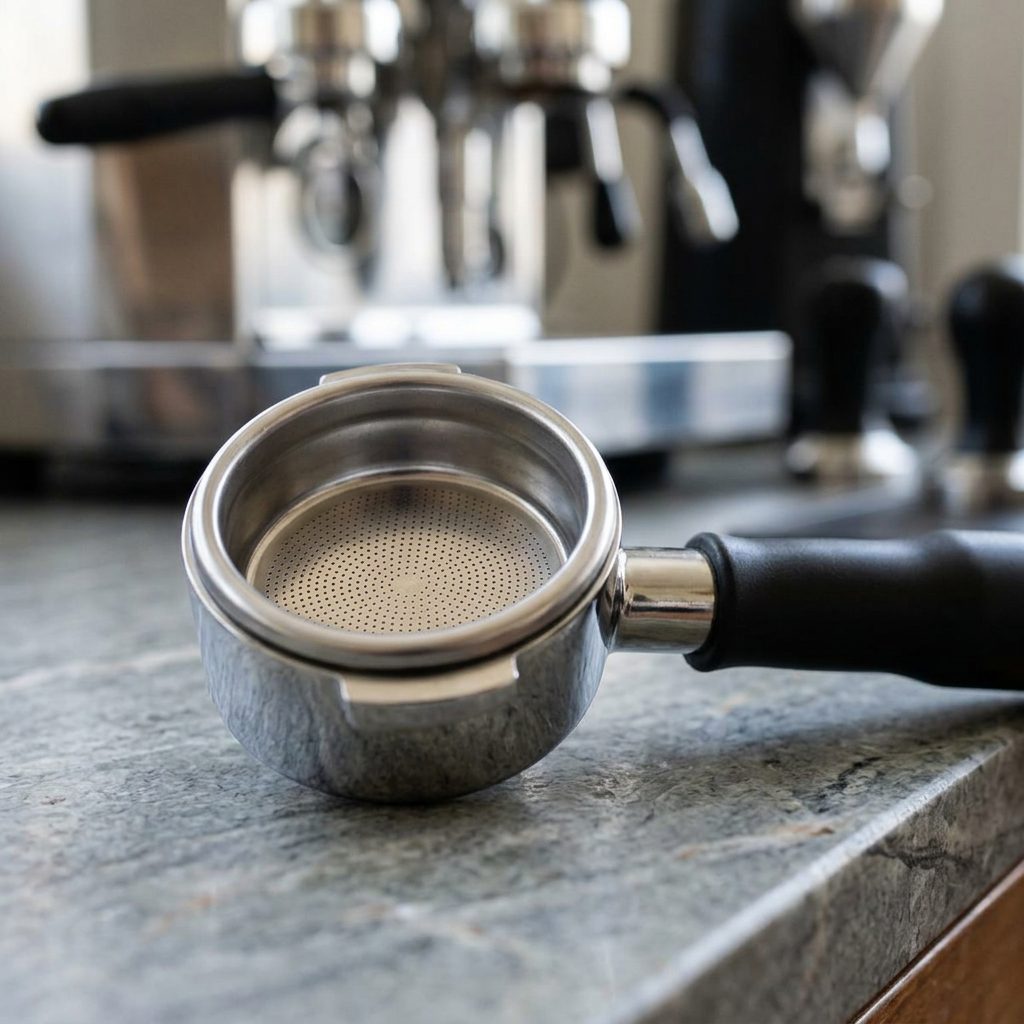
How you want to work
Choose based on how it feels to use
Some prioritize simple everyday handling, while others want maximum control when testing recipes. Consider which workflow suits you best when choosing between the variants.


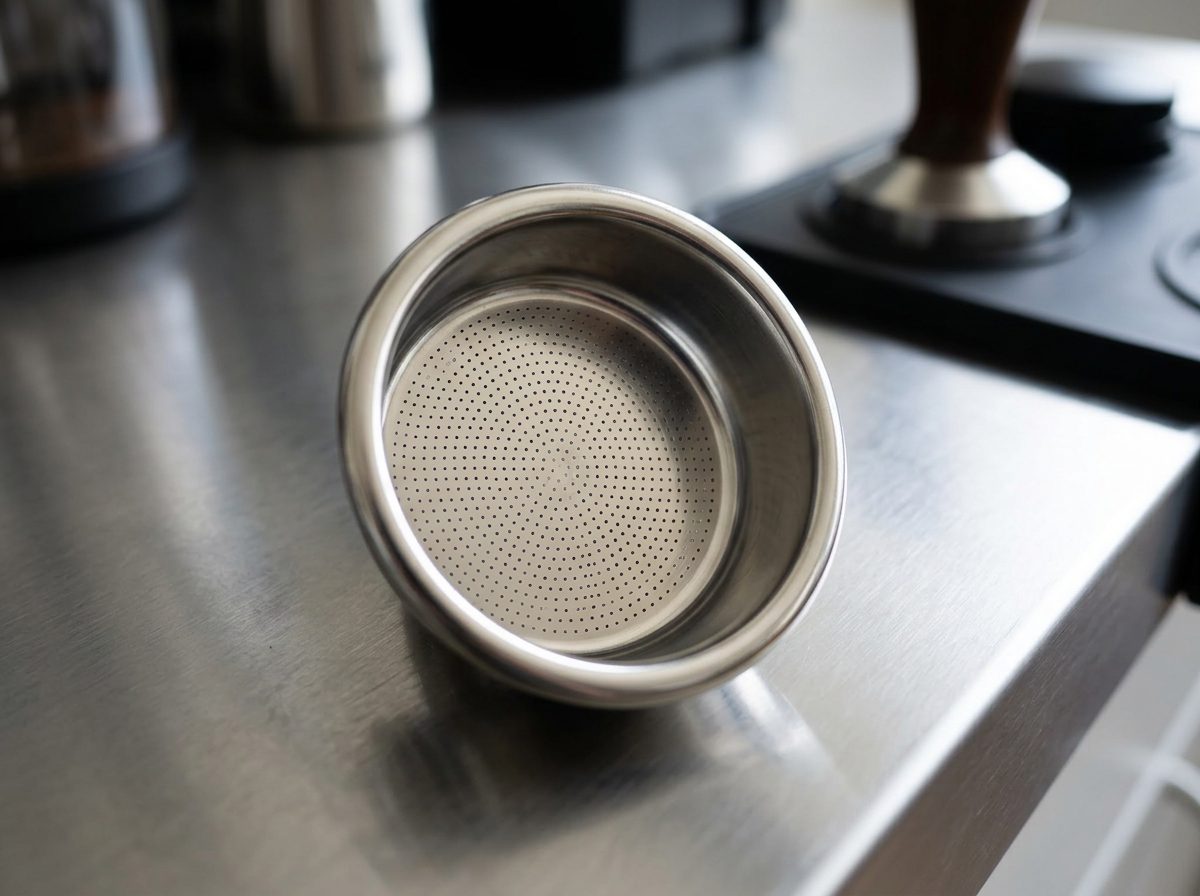
For those who want to reduce the guesswork
A VST filter basket is particularly well suited if you already actively adjust grind size, dose, and brew time and want each adjustment to produce a clearer, more comparable result. This makes it equally relevant for ambitious home baristas and professional users who want to repeat the same espresso with greater confidence.
Frequently asked questions
Answers to the most important questions before making your choice.
What distinguishes a VST filter basket from a standard basket?
The key difference is that VST is developed with a focus on high precision and more consistent results between brews. For those fine-tuning espresso, this generally provides better conditions for working methodically with recipes, as the basket is designed to contribute to more consistent flow and more repeatable extraction.
How do I choose the right size and design?
Start with the dose you actually use every day, then check that the basket fits your machine and Portafilter. You can then choose between ridged and ridgeless based on which design you prefer to use. If you switch frequently between different recipes, it is often wise to choose the variant that best matches your most common brewing range.
Is VST best for home or professional use?
It suits both. Home baristas gain better control when each variable is adjusted carefully, while cafés and training environments appreciate the ability to work more consistently over time. The benefits are most noticeable for those who want to understand and repeat their recipe, rather than simply produce a good shot occasionally.

